Graphic Design (Page 11)

Graphic design uses visual compositions to solve problems and communicate ideas through typography, imagery, color and form.

It’s no secret that infographics serve as an interesting way to serve up information in a visually appealing way. But for those of us that lack design skills, the creation process can seem a little intimidating. 

Where do you start? What data should be represented? Which colors work best? How should it be formatted?

Continue Reading

Infographics that really stand out are far more than just a smattering of pictures and charts. They might tell an engaging story — one built around compelling data, graphics, or illustrations. Or perhaps they serve as a really helpful visual resource.Continue Reading

This post originally appeared on inbound.org and is reprinted here with permission.

The purpose of any homepage is to act as a launching pad for users to find relevant information that’s specific to their needs. Deciding what to include on your homepage, however, is an endless conversation amongst marketers.

Continue Reading

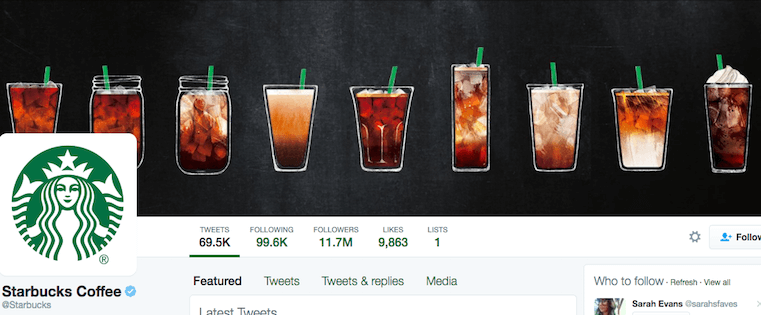
What do you think to yourself when you see someone’s Twitter avatar is the default image of an egg? Chances are, you probably assume they are either inactive, a fake account, or someone not worth following.

While almost all businesses understand that the egghead approach isn’t doing them any justice, they often fail to understand that a plain, flat Twitter cover photo can be equally as off-putting to potential followers.

Continue Reading

As the old saying goes, “a picture is worth a thousand words.” Given that 65% of the population are visual learners, using images as part of your marketing can be the key to ensuring your message gets delivered.

As a marketer, you are probably already aware that images are important. They’re easier to digest than a bunch of words on a page and can help support your other content by telling a story in ways that words cannot. Whether in social media posts or in blog posts, images help your audience to better understand what you are talking about, plain and simple.

Continue Reading

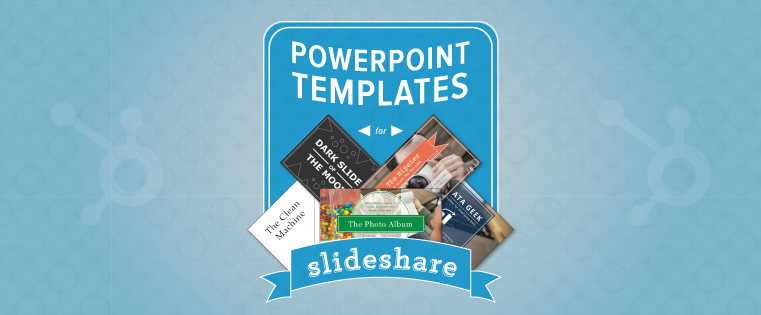
While we all know that SlideShare is a highly visual platform, the most important aspect of any SlideShare presentation isn’t actually the design — it’s the story.

“Before you become a master presentation designer, you must be a great storyteller first,” writes Tourism Australia’s head of social Jesse Desjardins in his SlideShare presentation You Suck At PowerPoint! (which has 2 million+ views).

Continue Reading

You’ve written some really compelling copy for your website. Your product images are polished. Your overall site design is professional. And thanks to marketing initiatives like these ones, you’re getting traffic to your site.

So why is it that so few of those visitors are converting into leads and customers?

Continue Reading

“A picture is worth a thousand words.”

We’ve all heard this saying before, and to marketers, it’s becoming increasingly true. Images can help businesses suceed — tweets with images result in 18% more clicks, and 17% of marketers are planning to increase their use of visual assets in 2015.

Continue Reading

You and I sift through a lot of data for our jobs. Data about website performance, sales performance, product adoption, customer service, marketing campaign results … the list goes on. 

When you manage multiple content assets, such as social media or a blog, with multiple sources of data, it can get overwhelming.

Continue Reading

It’s official: In certain parts of the world, there are now more Google search queries on smartphones than on desktop computers and tablets.

This week, Google’s Jerry Dischler wrote in a post on the official AdWords blog that “more Google searches take place on mobile devices than on computers in 10 countries, including the U.S. and Japan.” 

Continue Reading

Between calendar updates, emails, and social media notifications, it can often seem like your computer is working against you.

But, as distracting as it may seem, your computer actually has lots of ways to save you time at work. Considering data from Atlassian revealed that 60% or less of work time is actually spent productively, it’s clear that time is something you could probably use a lot more of. 

Continue Reading